
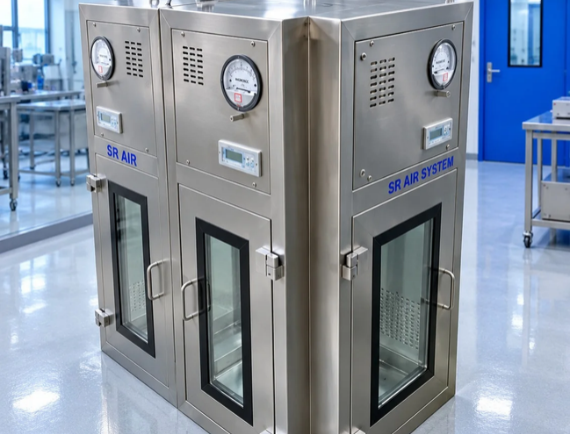

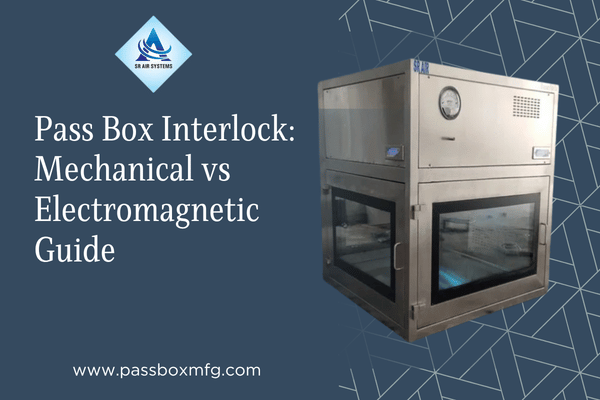
A pass box interlock helps control material transfer by preventing the two doors from opening together during normal operation. However, choosing between a mechanical mechanism and an electromagnetic system requires more than comparing prices. Buyers should also review the transfer sequence, power-failure behavior, maintenance access and operator instructions.
This guide focuses on door controls. For the equipment options themselves, explore our dynamic and static pass boxes. The correct arrangement should match your facility’s approved requirements and the manufacturer’s documented design.
What Does a Pass Box Interlock Do?
During a typical transfer, the operator opens the loading door, places the item inside and closes the door. The receiving side then becomes available according to the control sequence. By keeping access coordinated, the interlock reduces the chance of a direct opening between adjacent rooms.
Nevertheless, a door interlock does not filter air, sterilize an item or prove that a cleanroom meets a particular classification. Those outcomes depend on the complete system, operating procedures and relevant verification. Therefore, assess the lock as one part of your material-transfer process.
Mechanical vs Electromagnetic Pass Box Interlock
| Buying consideration | Mechanical arrangement | Electromagnetic arrangement |
|---|---|---|
| Basic principle | A physical mechanism links or restricts door operation. | Electrical locks and controls coordinate access. |
| Electrical dependency | The locking mechanism can operate without electrical power; other accessories may still need power. | Normal operation relies on the specified electrical supply and control design. |
| Operator interface | Typically direct handle or latch operation. | May include door-release buttons and status indicators. |
| Service review | Check alignment, wear and smooth engagement. | Check locks, sensors, wiring and control response. |
| Failure behavior | Confirm the actual mechanism and release procedure. | Confirm what happens during power loss and restoration. |
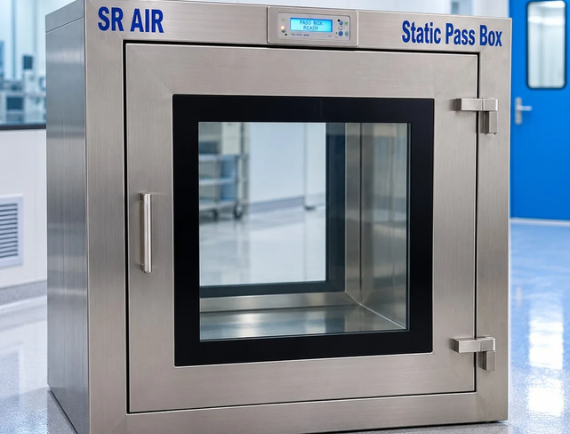
These are general comparisons, not a specification for every model. For example, Alpha Linear’s static pass box description identifies mechanical and electromagnetic interlocking as available arrangements. Always request the drawing and control description for the unit you intend to buy.
Five Pass Box Interlock Checks Before Approval
1. Confirm the transfer sequence
For your pass box interlock, ask which door can open first and when the opposite door becomes available. If your process requires a timed cycle, request a written explanation of how that cycle controls access. A timer shown on a quotation does not explain the complete sequence.
2. Ask about power failure
Do not assume that every electrical lock stays locked or releases when power fails. Instead, ask the supplier to document power-loss behavior, restart conditions and authorized recovery. Your facility team should review these against operational and safety requirements.
3. Check door position and indication
Operators need a clear way to identify whether the chamber is available. Review indicator visibility from both sides, door-closed detection where provided, and the response to a door that has not seated correctly. Also confirm that handles remain easy to use with the intended gloves.
4. Review cleaning and maintenance access
When reviewing the pass box interlock, ask whether routine cleaning can reach the surrounding surfaces without damaging the lock or controls. In addition, confirm which side provides service access. A convenient installation position can become costly if technicians cannot reach a worn component later.
5. Agree on acceptance checks
Before dispatch, agree on a witnessed or documented functional check. This should cover the normal door sequence, indicators and any specified alarms or release functions. Site checks should then confirm that installation has not affected alignment or operation.
Which Pass Box Interlock Should You Choose?
A mechanical solution may suit a straightforward transfer process with simple controls. An electromagnetic design may be appropriate where the specification calls for integrated indicators, controlled release or a defined electronic sequence. Neither choice should be made from a product name alone.
Send your supplier the room layout, transfer direction, operating sequence and required functions. SR Air System can review these details alongside the available clean room pass box configurations and clarify the proposed scope.
Frequently Asked Questions
Can a static pass box have an electromagnetic interlock?
Yes, static models can use electromagnetic controls. Static or dynamic describes the equipment’s airflow arrangement, while the lock type describes door access. Confirm the offered combination in the quotation.
Does an interlock replace an operating procedure?
No. Staff still need instructions for loading, cleaning, unloading and reporting faults. They should not bypass a failed mechanism to keep production moving.
What should I include in an inquiry?
Include the intended application, door arrangement, transfer sequence, preferred controls and site power details. Ask for a written explanation of the pass box interlock and its service requirements before approving the order.
