


Pass Box MFG

Common Mistakes to Avoid When Selecting a Pass Box for Your Cleanroom

Introduction

Selecting a pass box may seem straightforward, but in cleanroom environments, small mistakes can lead to serious contamination risks, audit issues, and operational inefficiencies.

Many cleanroom failures are not due to poor equipmentβ€”but due to incorrect selection or improper understanding of pass box requirements.

As an experienced static & dynamic pass box manufacturer, PassBox MFG has seen recurring mistakes made by buyers. This guide will help you avoid costly errors and make the right decision.

Mistake 1: Choosing Static Instead of Dynamic (or Vice Versa)

One of the most common mistakes is selecting a pass box based on price instead of process risk.

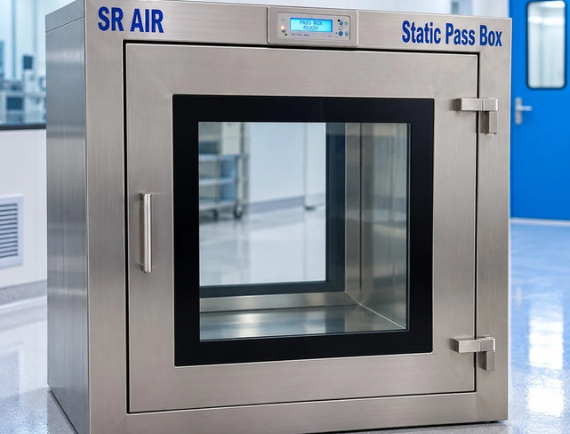
  • Static Pass Box β†’ Suitable for low to medium risk areas
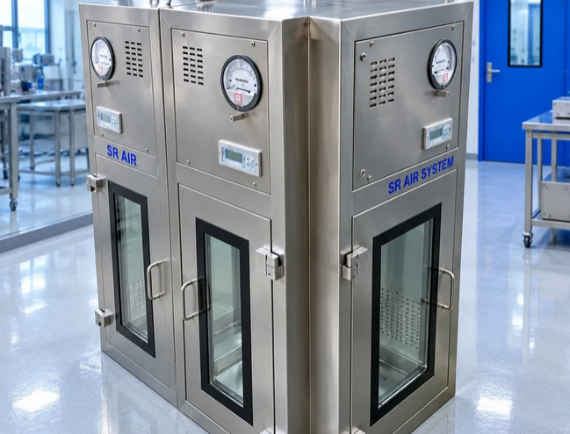
  • Dynamic Pass Box β†’ Required for high-risk, critical, or sterile zones

πŸ‘‰ If your process involves sensitive materials, choosing a static pass box can fail GMP or ISO expectations.

πŸ“Œ Read our detailed comparison:Β Static vs Dynamic Pass Box

Mistake 2: Ignoring GMP & ISO Compliance Requirements

Many buyers focus on size and cost, but regulatory compliance is far more important.

Auditors check:

  • Surface finish
  • Material grade (SS 304 / SS 316)
  • Interlocking functionality
  • Cleanability

A non-compliant pass box can lead to:
❌ Audit observations
❌ Production delays
❌ Costly rework

πŸ‘‰ Always choose a pass box designed specifically for GMP & ISO cleanrooms.

Mistake 3: Poor Door Interlocking System

Improper or unreliable interlocking allows both doors to open simultaneously, increasing contamination risk.

Best practices:

  • Mechanical interlocks for basic applications
  • Electromagnetic interlocks for GMP-critical zones

A professional pass box manufacturer will recommend the right interlocking system based on your cleanroom grade.

Mistake 4: Incorrect Size & Capacity Selection

Oversized or undersized pass boxes cause:

  • Inefficient workflow
  • Difficulty in cleaning
  • Poor space utilization

Pass box size should be selected based on:

  • Material dimensions
  • Frequency of transfer
  • Cleanroom layout

πŸ‘‰ Custom sizing is often better than standard sizes.

Mistake 5: Not Planning for Future Expansion

Many facilities expand production later and realize:

  • Pass box airflow is insufficient
  • Size limits operational flexibility
  • Automation is missing

Choosing a future-ready design saves cost in the long run.

Mistake 6: Buying from a Non-Specialized Supplier

Generic fabricators often lack:

  • Cleanroom process knowledge
  • Compliance understanding
  • Validation readiness

This leads to repeated modifications and hidden costs.

Choosing a dedicated pass box manufacturer ensures:

  • Correct application-based design
  • Long-term reliability
  • Better audit confidence

How to Choose the Right Pass Box (Correct Approach)

βœ” Understand your cleanroom classification
βœ” Identify material criticality
βœ” Decide between static or dynamic
βœ” Ensure GMP & ISO alignment
βœ” Work with an experienced manufacturer

For a complete selection guide, read:
πŸ‘‰ How to Choose the Right Pass Box for Your Cleanroom

Why PassBox MFG Is the Right Choice

  • Specialized in static & dynamic pass boxes
  • GMP & ISO-aligned manufacturing
  • Custom-built solutions
  • Strong after-sales and technical support

Not sure which pass box is right for your cleanroom?

Avoid costly mistakesβ€”talk to our experts first.

Β 

Stainless Steel Static Hatch Box

Submit requirements for cleanroom equipment.