Introduction
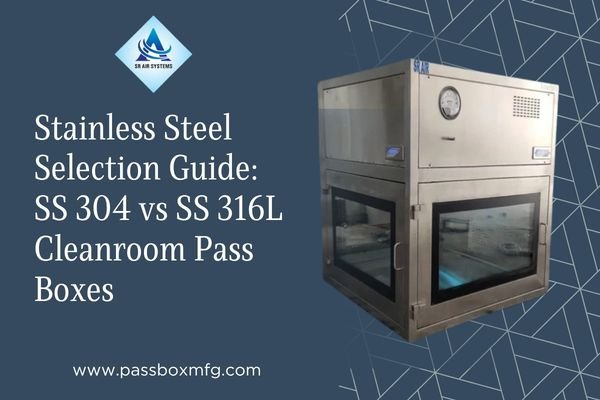
When specifying a Clean Room Pass Box for pharmaceutical, biotech, or sterile formulation facilities, selecting the correct grade of stainless steel is one of the most critical structural decisions. While both SS 304 and SS 316L provide non-porous, cGMP-compliant surface finishes, using the wrong alloy in aggressive sanitization environments can lead to surface pitting, rust discoloration, and bio-film accumulation over time.
Understanding the metallurgical differences, chemical resistance profiles, and long-term return on investment (ROI) ensures your equipment remains audit-ready throughout its operational lifespan.
1. Metallurgical Comparison: SS 304 vs SS 316L
The key difference between SS 304 and SS 316L lies in chemical composition—specifically the addition of Molybdenum and reduced carbon content in 316L:
Key Metallurgical Advantages of SS 316L:
- Molybdenum Addition (2-3%): Provides superior protection against pitting and crevice corrosion caused by halogenated disinfectants, chlorine compounds, and saline solutions.
- Low Carbon Rating (L = 0.03% max): Eliminates carbide precipitation during seam welding, ensuring joints remain corrosion-resistant without requiring post-weld heat treatment.
2. Chemical Compatibility & Sanitization Resistance
Cleanroom pass boxes are subjected to daily surface decontamination routines. The choice between SS 304 and SS 316L depends directly on the cleaning agents used in your facility:
- SS 304 Static & Dynamic Pass Boxes : Ideal for facilities using standard disinfectant agents like 70% Isopropyl Alcohol (IPA), quaternary ammonium compounds, or mild phenolic solutions. Suitable for general solid oral dosage (tablets/capsules) and primary packaging suites.
- SS 316L Static & Dynamic Pass Boxes : Mandatory for suites using harsh sporicidal agents, such as Vaporized Hydrogen Peroxide (VHP), sodium hypochlorite (bleach), peracetic acid, or aggressive sterile washdown chemicals common in API synthesis, oncology, and sterile liquid filling lines.
Engineering Tip: Repeated exposure of SS 304 to chlorine-based or peroxide disinfectants can cause micro-pitting, creating microscopic traps for bacterial endotoxins that compromise cleanroom sterility.
3. Cost-Benefit & Total Cost of Ownership (TCO) Analysis
| Cost Factor | SS 304 Pass Box | SS 316L Pass Box |
| Initial Capital Expenditure (CapEx) | Lower initial investment | Moderately higher initial investment |
| Susceptibility to Pitting/Rust | Moderate under harsh sporicides | Extremely low across all sanitizers |
| Surface Refinishing Needs | May require re-passivation every 2–3 yrs | Zero re-passivation required under standard SOPs |
| Expected Equipment Lifespan | 5–8 years in aggressive chemical zones | 15+ years under continuous daily operation |
Custom Stainless Steel Pass Boxes Engineered to Your SOPs
Whether your facility protocol calls for cost-effective SS 304 Static Pass Boxes or heavy-duty SS 316L Dynamic Pass Boxes designed for VHP decontamination, SR Air System (Pass Box MFG) builds tailored cleanroom solutions. All our units feature seamless coved corners, cGMP mirror or satin finishes (Ra < 0.4 μm ), programmable electromagnetic interlocks, and certified HEPA filtration compliant with USFDA, EU-GMP, and ISO standards.
Need material selection advice or custom fabrication drawings for your cleanroom upgrade?
Talk directly to our stainless steel fabrication engineers at +91-7984145193 or email us at info@passboxmfg.com.